在前端开发中会遇到一些频繁的事件触发,比如:
- window 的 resize、scroll
- mousedown、mousemove
- keyup、keydown
······
为此,我们举个示例代码来了解事件如何频繁的触发:
我们写个 index.html 文件:1
2
3
4
5
6
7
8
9
10
11
12
13
14
15
16
17
18
19
20<!DOCTYPE html>
<html lang="zh-cmn-Hans">
<head>
<meta charset="utf-8">
<meta http-equiv="x-ua-compatible" content="IE=edge, chrome=1">
<title>debounce</title>
<style>
#container{
width: 100%; height: 200px; line-height: 200px; text-align: center; color: #fff; background-color: #444; font-size: 30px;
}
</style>
</head>
<body>
<div id="container"></div>
<script src="debounce.js"></script>
</body>
</html>
debounce.js 文件的代码如下:
1 | var count = 1; |
防抖
防抖的原理就是:你尽管触发事件,但是我一定在事件触发 n 秒后才执行,如果你在一个事件触发的 n 秒内又触发了这个事件,那我就以新的事件的时间为准,n 秒后才执行,总之,就是要等你触发完事件 n 秒内不再触发事件,我才执行,真是任性呐!
第一版
1 | function debounce(func, wait) { |
如果我们要使用它,以最一开始的例子为例:1
container.onmousemove = debounce(getUserAction, 1000);

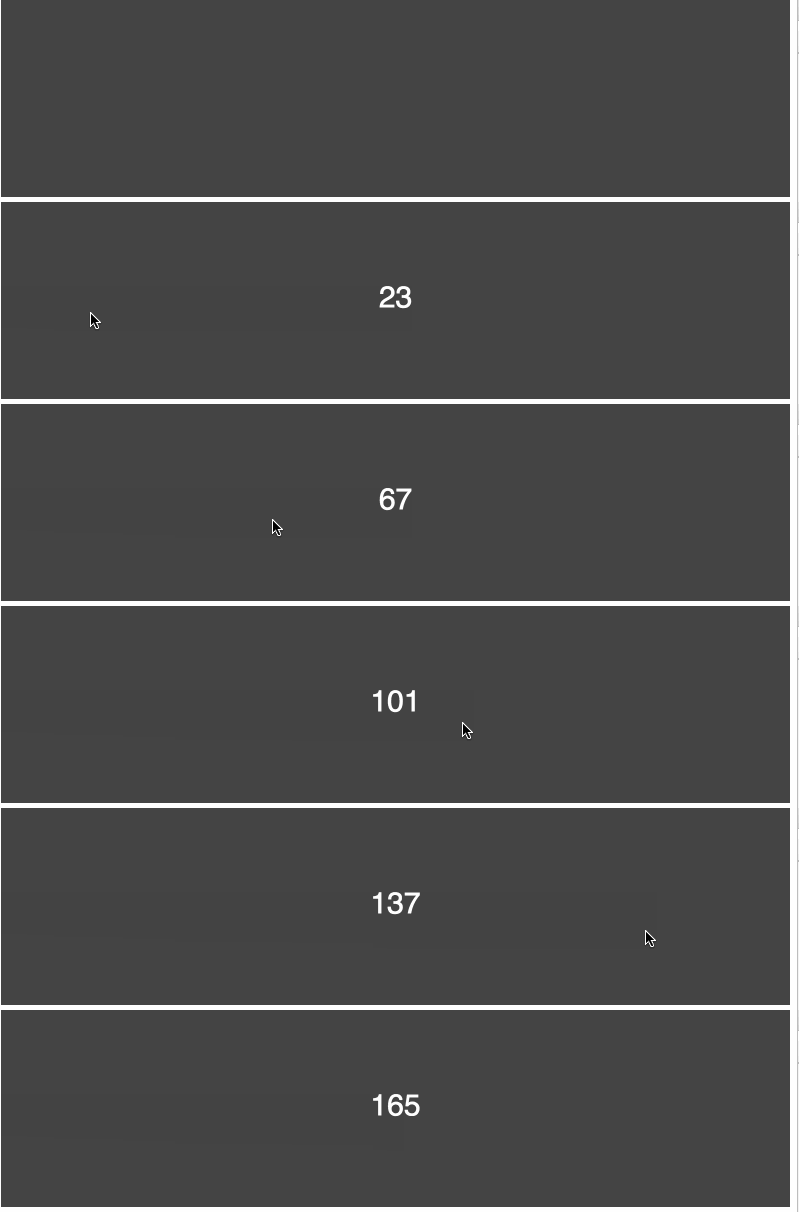
现在随你怎么移动,反正你移动完 1000ms 内不再触发,我才执行事件。看看使用效果:
顿时就从 165 次降低成了 1 次!
this
如果我们在 getUserAction 函数中 console.log(this),在不使用 debounce 函数的时候,this 的值为:1
<div id="container"></div>
但是如果使用我们的 debounce 函数,this 就会指向 Window 对象!
所以我们需要将 this 指向正确的对象。
我们修改下代码:
第二版
1 | function debounce(func, wait) { |
现在 this 已经可以正确指向了。让我们看下个问题:
event 对象
JavaScript 在事件处理函数中会提供事件对象 event,我们修改下 getUserAction 函数:1
2
3
4function getUserAction(e) {
console.log(e);
container.innerHTML = count++;
};
如果我们不使用 debouce 函数,这里会打印 MouseEvent 对象,如图所示:

但是在我们实现的 debounce 函数中,却只会打印 undefined!
所以我们再修改一下代码:
第三版
1 | function debounce(func, wait) { |